
Patching Faster Has Never Been the Answer
Patching is a necessary evil and doing it manually in any decent sized organization was essentially impossible in the pre-AI times and is now pure folly.
Editor
Dennis Fisher is an award-winning journalist and author. He is one of the co-founders of Decipher and Threatpost and has been writing about cybersecurity since 2000. Dennis enjoys finding the stories behind the headlines and digging into the motivations and thinking of both defenders and attackers. He is the author of 2.5 novels and once met Shaq. Contact: dennis at decipher.sc.

Patching is a necessary evil and doing it manually in any decent sized organization was essentially impossible in the pre-AI times and is now pure folly.
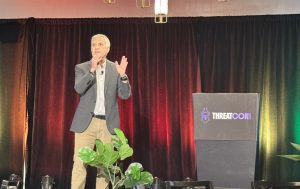
While AI is reshaping the threat landscape, the people defending against those threats remain vital.

The reality is that a lot of what hackers actually do is just social engineering in one form or another.

The vendor says this is a configuration-dependent issue rather than a failure of the security patches themselves.
Today we have for you a buffet of zero days being exploited in edge security products, including Citrix and Fortinet, then we discuss the importance of communications from vendors when bad things happen, and finally we preview VulnCheck’s THREATCON1, which takes place next week.

This case is yet another reminder just how important vendor communication is in such incidents and how much uncertainty can hamper security.